The Rise of Casual Games: Why Idle Games Are Captivating Millions Worldwide
In recent years, casual games, especially idle games, have exploded in popularity across global markets—including the ever-enthusiastic Thai gaming demographic. These seemingly simple yet strangely addicting mobile or browser-based diversions offer users short bursts of fun with minimal cognitive load, and their appeal is skyrocketing not just among teens and twenty-somethings but even with more mature demographics like older adults and part-time commuters.
Beneath Simplicity Lies Massive Opportunity
You might assume a tap-only farming app lacks depth until you've spent eight hours watering your digital orchard, only to check back a day later and discover an automatic system harvesting it all by itself—without user input! This core mechanic defines most idle titles: do something once, and watch it loop endlessly.
While initially seen as mind-numbing distractions for schoolchildren, companies are now investing serious capital into idle game development. Some even include deep narrative hooks (think RPGs with passive battles), puzzle mechanics (e.g. Peaceable Kingdom Puzzle And Play variations) or action-based gameplay (military simulation genres such as Delta Force Hawk Ops - Black Hawk Down), offering a surprisingly complex foundation beneath its "just-tap-and-chill" reputation.
- Casual doesn't mean unserious – many games blend light gameplay with long-term strategic elements
- Passive play loops allow players to earn progress without constant interaction
- Idle game developers are increasingly experimenting beyond traditional tropes (farms, mining, clicking, etc.)
What Exactly Are 'Idle Games,' Anyway?

"Idling" is no accident in video game language—it refers directly to a state where the player isn’t actively involved, meaning automation plays an outsized role in idle experiences. If a title still functions, generates currency (coins, gold bars, points), or expands capabilities when left untouched onscreen… you're playing a legitimate "idler."
A few defining qualities include: passive income systems, incremental improvements over long periods of inactivity, offline progression modes—and perhaps the best-known: endless tapping games originally launched for web platforms.
| Traits of Idle Game Mechanics | Example Use Cases | Common Subgenres |
|---|---|---|
| + Passive Income Systems + Offline Mode + Automation |
Coin clickers Auto miners Adventure RPG auto-fighting loops |
Casual puzzles like peaceable kingdom apps |
| Metric Tracking / Upgrades | Upgrade farms, factories or weapons using earned points | Mix with idle tower defense or base building |
| Minimal Input Required | You can close an app & return hours later | Hearth-and-humor driven storylines (see Kittens War, Cookie Clicker) |
The Psychological Draw Behind Passive Games: Why People Can't Let Go
Many dismiss this category of games due to low complexity—but they’re missing the big picture. The reason behind why these games work is simple psychological manipulation rooted deeply in positive reinforcement principles from behavioral science. Each level-up, coin gained after doing nothing for two hours—or seeing numbers constantly tick upwards in text format—activates a primal dopamine hit similar to slot-machine pay-offs or even email checking compulsions (e.g., refreshing inboxes for that little “notification thrill").

You aren’t necessarily *gaming*, per se—you’re engaging in what’s become one of the internet's most addictive new micro-experiences: the slow buildup of reward structures through non-action engagement loops!
How Mobile Began Its Dominant Idlegame Takeover
No one saw mobile being so central early on. Initially considered secondary to PC titles (many started as browser experiments around the mid-2010s clicker craze), phones transformed into daily companions capable of hosting fully fledged auto-play worlds. With millions glued to their smartphones every minute, developers found an opportunity unlike any before.
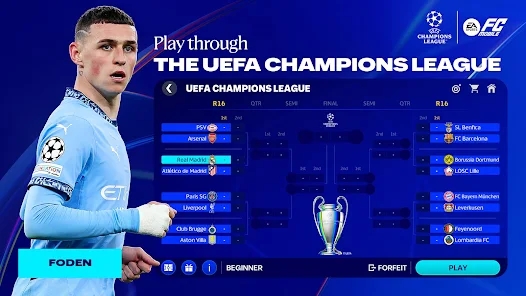
Today's most addictive games come pre-packed with idle mechanics—from Pokémon AFK Battles (autofights while logged off), Clash of Clans’ overnight production, to full RPG experiences that keep characters grinding XP automatically—even offline—for extended sessions of complete inactivity on part of the player.
Sure it looks easy, but making people want to stare passively at screen-generated activity? That’s pure magic. Magic worth millions in ad impressions and in-game store revenue alone.

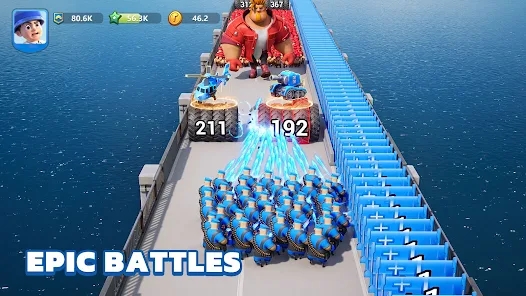
Nowhere else are idle trends more visible—or lucrative—as Southeast Asia.
Taiwan & Thailand: Hotbeds for Asian Idlegame Growth
We’ve seen incredible traction in Thailand. The Thai market has embraced hyper-casual, lightweight content at staggering scales thanks partly to strong social media marketing and partly localised gameplay themes appealing to cultural tastes—from food-clickers inspired by Isaan dishes like papaya salad, to idle village life simulating northern hill tribes—creativity knows no regional borders anymore, and publishers know this.
Key Insight Alert: Many idle devs now use region-targeted updates or localized events (Themed holidays or Songkran water splash idle upgrades)
Localized artwork helps boost retention significantly compared to generic global designs—something top-performing idlegames already implement successfully.
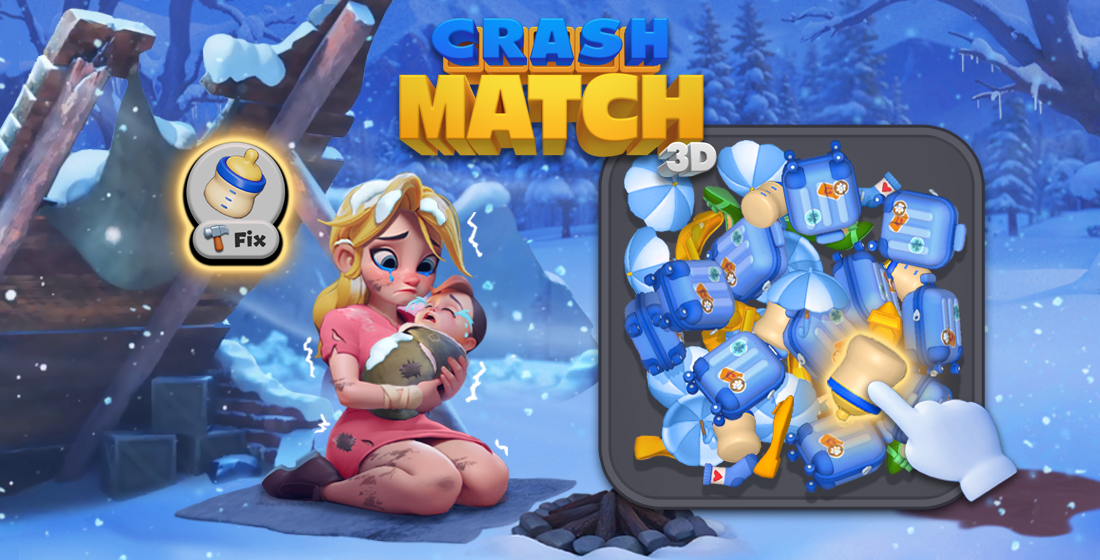
Dream Games released a casual jigsaw-themed idle title focused on relaxing temple puzzles. Within weeks it went viral in Chiang Mai tech hubs, and Jakarta alike.
Thais love passive entertainment via storytelling formats—idle + visual novels perform above average vs typical genres.
| Category Type | Download Growth Rate Q2 (Thailand) | Publisher Profit Share Est. |
| Action Shooter Genres | 6% | 33M Baht |
| Mass Market Multiplayer | 12% | 69M Baht |
| Top Idle Genre Downloads | 41% | > 90M THB/month |
We’re witnessing a major shift—not just in how we think about gaming value—but what constitutes valuable time-spent interaction in mobile design today. While shooters need hours upon hours invested weekly, casual players spend only brief windows between real-world responsibilities (commuting, lunch breaks, late night scrolling fatigue) but still remain emotionally tied through achievements they don’t *actively achieve*. Genius, right?
Peaceable Kingdom Puzzle and Play — A Hidden Gem in Family-Focused Idle
Beyond mainstream cash cow games like Cookie Clicker, hidden jewels continue attracting dedicated niches. Take peaceable kingdom puzzle and play titles as examples: these merge gentle idle mechanics with cozy pixel landscapes, friendly animal characters and logic-based tile placement puzzles.
Players grow settlements by solving increasingly layered mini-games—all the while buildings generate passive bonuses. You're building a peaceful town with minimal combat interference.
Unique Characteristics of the ‘Peaceable Kingdom Style’:
- Veterans of the genre enjoy the meditative feel
- Educational angle welcomed by schools & parents looking for safe apps
- Frequently ranked amongst Google Family Program recommendations

A lot like Stardew Valley minus the farming hustle, except it requires near-complete disengagement once set running autonomously, giving kids space to creatively organize resources while letting nature manage some tasks organically on its own—the perfect blend for child-focused learning and relaxation together with adult nostalgia factors thrown in!
In short: Peaceable-Kingdom themed puzzles stand as proof-of-concept that **casual** = fun, yes—but also thoughtful, accessible, and rewarding for younger minds and laid-back mobile consumers.
Military-Styled Idle Games Gain Traction (Think: Delta Force HawkOps, BHWD-Inspired Gameplay Themes?)

This sub-segment represents an interesting cross-section: combining high-stress action elements from real military films/games but placing them inside calm, passive UI layouts.
An emerging niche? Tactical idle strategy games. Picture squad deployment tools mimicking warroom charts. Or air strike calculators built inside automated drone fleets.
Take Delta Force: Hawk Ops' Passive Upgrade Mechanics:
| Feature Element | Comparison to Regular FPS titles: | ||
|---|---|---|---|
| User Input Needed | Time Per Day Investment | Replay Potential | |
| Extremely low (auto-fire + upgrades) | About 25 mins | Unlimited (due to AI randomization) | |

You'll find yourself upgrading Black Hawks drones automatically while sipping morning coffee, waiting silently for enemy wave predictions based on adaptive machine learning calculations built right into a free Android game's algorithmic engine. Sounds wild... yet highly plausible considering today’s integration trends.
'Casualification' — Turning Even Serious Titles Into Relaxation Machines!
Developers are beginning to hybrid idle features even within typically demanding genres. We see it happening fast—MMOs integrating sleep-mode leveling mechanics while first-person battlefields test “Auto-Hawk mode" options that simulate battlefield presence despite actual user logging off hours ago (similarly styled on AI-driven proxy soldiers operating autonomously under specific commands—like advanced Delta Force ops).

“Rather than demand constant button smashing or reflexes like 15 years ago, newer studios recognize value in allowing players rest." This marks the next frontier for casual and idletime synergy—an entirely evolved gaming experience that respects personal energy boundaries instead pushing grind-like intensity cycles that burned out prior generations.
Even AAA titles like Borderlands recently dabbled in "passive farm runs" — where loot collection continues without manual control inputs once a map area syncs to autonomous behavior protocols inside cloud servers.
- Looting happens automatically once a location becomes secure New weapon unlocks while sleeping mode enabled AI-controlled NPCs patrol base sectors during real-world player inactivities

All of which signals: the entire industry recognizes passive gameplay isn't going anywhere. Quite the opposite, really!
Why Advertisers Love The Passive Model
If a player leaves their device untouched for minutes—even an hour—it opens unique monetization spaces never tapped in active play sessions. Consider:
- In-display ad banners staying exposed longer
- Auto-play interstitials activating after inaction milestones (i.e., 2 min idle timeout displays a brand sponsor video ad seamlessly)

From marketers: it's a golden touch. Consumers don't rage-click or swipe immediately; attention span naturally stretches further, resulting better view-through rates than other game formats.
Indies Embrace Idle: Low Risk + Huge Gains!
If you lack million-dollar development funding (or a large artist/design team) idle mechanics present one of the lowest risk/high potential entryways into gaming.
- Cheap to create
- Can go viral with clever twists (See Sausage Clicker)
- Rapid iteration possible (add new upgrades each week without crashing engines)

Future Outlook – The Road For Casaul Gamming
We may soon enter an AI-assisted age where game narratives self-modify based on real-user behaviors. What's stopping auto-storyteller algorithms generating fresh levels while someone's busy eating lunch—no clicks required!
In Thailand and across developing markets globally, we’ll likely continue seeing massive growth driven through hybrid models (idle-puzzle combos tailored culturally). Meanwhile hardcore players get lured toward tactical versions where passive mechanics still pack punchy adrenaline moments (like silent ops simulations or drone command suites designed around Delta Forces training methodologies).